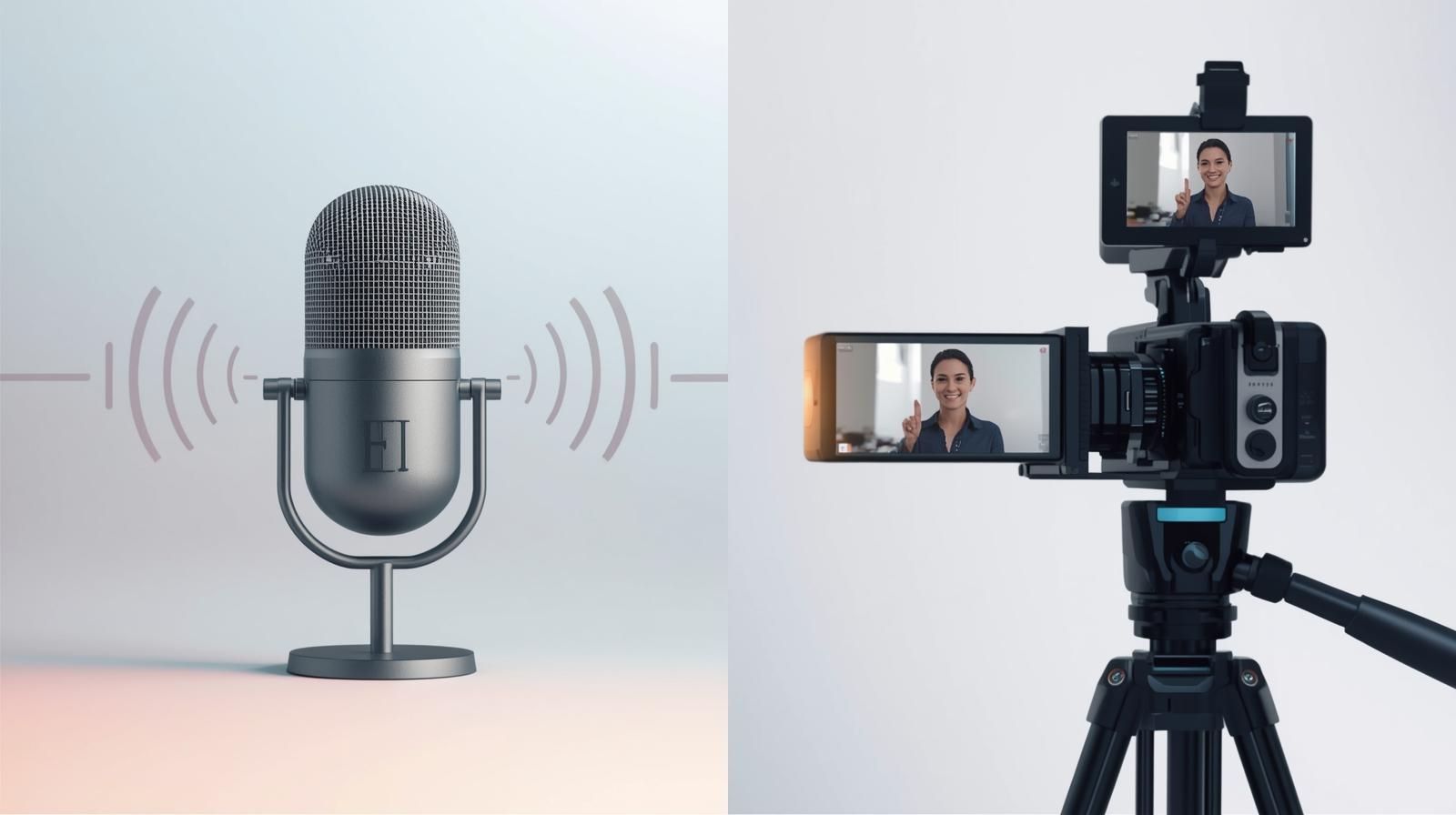
In today’s digital age, customer feedback is more powerful than ever. Businesses are constantly looking for authentic ways to showcase customer experiences, build trust, and influence buying decisions. Understanding the real difference between audio vs video reviews helps businesses choose the right testimonial format based on customer comfort, authenticity, and ease of participation.
Platforms like TrueTestify, a video-first testimonial platform, have revolutionized the way reviews are collected, prioritizing video reviews for maximum engagement. However, audio reviews are emerging as an effective complement, or even an alternative, in specific scenarios. Understanding the difference between audio vs video reviews can help businesses make smarter choices in their testimonial strategy.
What Are Audio Reviews?
Before diving into their benefits, it’s essential to clarify what audio reviews are:
- Audio reviews are recordings where customers share their feedback verbally, without a visual component.
- They usually last 30 to 90 seconds, giving users enough time to convey their experience clearly.
- Like video reviews, audio reviews are a form of user-generated content (UGC) and can be hosted on websites, social media, or testimonial platforms like TrueTestify.
While video reviews combine voice, facial expressions, and gestures, audio reviews focus solely on tone, emotion, and verbal content, which still conveys authenticity.
Why Businesses Rely on Reviews
Understanding why reviews are so important provides context for choosing between audio vs video reviews:
- Build trust: According to BrightLocal’s 2023 Local Consumer Review Survey, 87% of consumers read online reviews for local businesses.
- Increase conversions: Reviews act as social proof. Video reviews are particularly effective, but audio reviews can also influence purchase decisions.
- Enhance SEO: User-generated content, whether text, audio, or video, helps websites rank better.
- Provide actionable insights: Audio reviews often reveal emotion, enthusiasm, and pain points that text reviews may not capture.
While video reviews are usually the gold standard, the audio vs video reviews debate shows that audio performs better when privacy, speed, or simplicity matter most.
When comparing audio vs video reviews, video delivers instant visual trust, while audio relies on tone, emotion, and sincerity. In situations where customers feel uncomfortable on camera, audio reviews often feel more genuine and spontaneous, leading to higher participation.

When Audio Reviews Work Better Than Video
Here are scenarios where audio reviews are more effective than video:
1. Time and Convenience for Customers
- Video reviews require proper lighting, camera setup, and a degree of comfort in front of the camera, which can be a barrier for many customers.
- Audio reviews only need a microphone, making them faster and easier to record.
- For businesses seeking quick turnaround, especially in high-volume review campaigns, audio can increase participation.
Example: A busy restaurant might encourage diners to leave a 60-second audio review after their meal, rather than asking them to film themselves in the restaurant.
2. Privacy Concerns
- Some customers feel camera-shy or uncomfortable sharing their image online.
- Audio reviews allow them to express genuine opinions without revealing their identity.
- This often results in more honest and candid testimonials.
In the discussion around audio vs video reviews, privacy is one of the biggest reasons audio reviews outperform video in certain scenarios.
3. Low Bandwidth or Technical Constraints
- Video files are larger and require stable internet connections for uploading and streaming.
- Audio files are smaller, which is ideal for users in regions with slower internet speeds or those accessing reviews via mobile devices.
- Businesses targeting global audiences might find audio reviews more inclusive and accessible.
4. Repurposing Content
- Audio reviews can be easily transcribed into text reviews for website pages or social media captions.
- They can also be converted into podcast snippets or integrated into email marketing campaigns.
- While video reviews are versatile, audio content is simpler to reuse across multiple channels without heavy editing.
5. Focus on Voice and Emotion
- Audio reviews emphasize tone, enthusiasm, and sincerity, which are often lost in text-only reviews.
- Some products or services, especially those relying on emotional appeal, like coaching, therapy, or hospitality, benefit from hearing voice inflection and excitement.
- Platforms like TrueTestify allow businesses to prioritize video reviews first, but audio reviews can capture nuanced emotions in situations where video isn’t feasible.
Best Practices for Collecting Audio Reviews
Even though audio reviews are simpler, businesses should follow these tips for maximum effectiveness:
- Keep it short: Limit reviews to 60–90 seconds. Long recordings can reduce listener engagement.
- Provide prompts: Ask customers specific questions like, “What did you love most about our service?”
- Ensure clear audio: Encourage customers to record in quiet environments.
- Use a branded platform: Platforms like TrueTestify streamline the recording, preview, and submission process, eliminating login barriers.
- Moderate content: Review moderation ensures reviews are authentic and suitable for public display.
TrueTestify’s system allows businesses to approve or reject submissions easily, ensuring that audio reviews maintain credibility and quality.
How Audio Reviews Fit into a Video-First Strategy
Even if a business prioritizes video reviews, audio can serve as a valuable secondary layer:
- Audio reviews can fill gaps when video testimonials aren’t feasible.
- They can complement text reviews by adding a human voice element.
- Audio reviews can be displayed in widgets or carousels on websites, following video reviews, to maintain a consistent testimonial hierarchy.
In short, audio reviews are not a replacement for video but an enhancement in a comprehensive review strategy.
By understanding the strengths and limitations of audio vs video reviews, businesses can increase participation, capture authentic feedback, and improve trust, even when customers can’t, or won’t appear on camera.
Strategies for Integrating Audio Reviews into Your Testimonial Strategy
Now that we’ve covered the scenarios where audio reviews shine compared to video testimonials, the next step is understanding how to effectively integrate them into your business strategy.
This balance becomes especially clear when businesses evaluate Audio vs video reviews within a real-world customer journey.
Platforms like TrueTestify, which prioritize video testimonials, also support audio reviews, ensuring businesses capture authentic feedback even when video isn’t possible.
Proper integration of audio reviews enhances credibility, boosts customer trust, and can significantly improve conversion rates.
1. Use Audio Reviews as a Secondary Option
- While video reviews remain the most impactful, offering audio as an alternative ensures more customers participate.
- On platforms like TrueTestify, the flow can be designed so that users first see the video recording option, followed by audio, and finally text reviews.
- This tiered approach makes audio reviews a secondary but essential layer, capturing valuable testimonials from customers who may not want to appear on camera.
Tip: Encourage users with a simple message like, “Don’t want to be on video? Record a quick audio review instead!”
2. Leverage Audio Reviews for Mobile-First Experiences
- Mobile users often face smaller screens, unstable connections, or limited storage, making video uploads challenging.
- Audio reviews, being lighter in file size, allow mobile users to submit testimonials easily, increasing participation.
- Many businesses report higher engagement from mobile audiences when audio reviews are offered alongside video.
- In audio vs video reviews, audio reduces friction for mobile users
Example: A fitness app can prompt users to leave a quick audio review post-workout, rather than filming themselves, ensuring more feedback is captured.
3. Integrate Audio Reviews Across Marketing Channels
Audio reviews can be repurposed and promoted across multiple touchpoints:
- Website Testimonials: Display audio reviews after video testimonials in widgets, carousels, or floating pop-ups to maintain hierarchy while keeping content fresh.
- Email Marketing: Include audio snippets in newsletters or promotional emails, making them more engaging than text alone.
- Social Media: Platforms like Instagram, LinkedIn, and Twitter allow you to share audio clips, sometimes paired with static visuals, which can increase shareability and authenticity.
- Podcasts or Webinars: Audio reviews can be repurposed for brand storytelling in podcasts, creating authentic user experiences that resonate with listeners.
According to Forbes, integrating authentic reviews into multiple channels significantly increases brand credibility and engagement.
4. Collect Audio Reviews for Specific Industries
Certain industries benefit more from audio reviews due to their emphasis on personal experience and trust. Examples include:
- Service-Based Businesses: Coaching, consulting, therapy, and fitness services rely heavily on trust and personal connection. Hearing a customer’s voice adds authenticity that text alone cannot provide. For many service-based brands, the audio vs video reviews decision comes down to emotional comfort rather than marketing preference.
- Restaurants and Food Services: Short audio reviews capture enthusiasm for flavors, ambiance, or service in a quick, digestible format.
- Healthcare and Wellness: Patients or clients may prefer audio reviews due to privacy concerns, yet their testimonials still carry emotional weight and credibility.
- Tech and SaaS Products: Users can share detailed feedback on usability or features without needing to record video, which may feel cumbersome or technical.
Example: A mental wellness platform can collect audio testimonials to showcase real-life experiences, providing potential clients with trustworthy insights without compromising privacy.
5. Use Prompts to Encourage Meaningful Audio Reviews
To make the most out of audio reviews, businesses should guide users with prompts. Unlike video, where visual cues can communicate enthusiasm, audio relies solely on the spoken word and tone.
Effective prompts include:
- “What was the best part of your experience with us?”
- “How did our product/service solve your problem?”
- “What would you tell someone who’s considering our service?”
- “What stood out most to you about your experience?”
Prompts help customers organize their thoughts quickly, resulting in reviews that are concise, genuine, and persuasive.
6. Optimize Submission Flow for Maximum Participation
Platforms like TrueTestify simplify the process of collecting audio reviews:
- No login required: Customers can record in seconds without account creation.
- Branded landing pages: Users feel confident leaving feedback in a professional, trusted environment.
- Preview and consent: Customers can review their recording and provide consent before submission, enhancing trust and compliance.
A seamless experience reduces friction, encouraging higher completion rates for audio reviews compared to traditional text-only forms.
7. Showcase Audio Reviews Strategically
Once collected, audio reviews should be displayed in ways that maximize impact:
- Next to video testimonials: Show audio after video, maintaining the platform’s hierarchy and providing multiple layers of proof.
- Highlight key points: Use text captions or pull-quotes alongside audio snippets to reinforce the message.
- Group by theme or product: Organizing audio reviews by category helps potential customers find relevant experiences quickly.
TrueTestify’s dashboard allows businesses to moderate, organize, and display audio reviews efficiently, ensuring each testimonial enhances credibility.
8. Measure the Impact of Audio Reviews
Tracking the effectiveness of audio reviews is just as important as collecting them:
- Engagement Metrics: Track listens, shares, or clicks on audio testimonials.
- Conversion Rates: Measure how audio reviews influence sign-ups, purchases, or inquiries.
- Customer Insights: Analyze recurring themes or pain points mentioned in audio recordings.
Combining these insights with video review data helps businesses refine their overall testimonial strategy and demonstrate ROI.
How Audio vs Video Reviews Affect Participation Rates
One major difference in audio vs video reviews is how willing customers are to participate. Audio removes the pressure of appearance, lighting, and body language, making it easier for customers to share honest feedback.
Why Audio Reviews Are a Strategic Choice
- They increase participation among users who are camera-shy or time-constrained.
- They are more accessible for mobile users and those with slow internet connections.
- They can be repurposed across multiple channels, creating a rich library of authentic content.
- They complement video reviews rather than replacing them, adding a layer of credibility and emotion.
In short, integrating audio reviews into a video-first strategy allows businesses to capture more voices, more perspectives, and more trust, ultimately enhancing the overall impact of testimonials.
Advanced Strategies and Best Practices for Audio Reviews
After understanding when audio reviews are more effective than video and how to integrate them into your testimonial strategy, the final step is exploring advanced strategies and best practices to maximize their impact. At this stage, businesses are no longer choosing blindly between formats, the audio vs video reviews strategy becomes intentional and data-driven.
1. Enhance Audio Reviews with Creative Marketing
Audio reviews can be repurposed creatively across marketing channels, creating a richer testimonial ecosystem:
- Social Media Campaigns: Pair audio snippets with branded visuals or animations to make them eye-catching on Instagram, LinkedIn, or TikTok. This keeps the focus on the customer’s voice while maintaining a strong visual identity.
- Podcast Integrations: Many businesses now produce podcasts to engage their audience. Inserting real customer audio reviews into episodes can provide authentic storytelling that resonates with listeners.
- Website Landing Pages: Use audio reviews as a secondary layer after video testimonials, enhancing credibility for potential customers. They can also be embedded alongside product pages or FAQs to support conversion.
- Email Marketing: Audio testimonials make newsletters more interactive and engaging, offering a human voice that text alone cannot achieve.
According to Forbes, integrating user-generated content like audio reviews across marketing channels significantly increases audience engagement and trust.
2. Pair Audio with Visual Cues When Possible
Even though audio reviews do not require video, pairing them with minimal visuals can enhance impact:
- Static Images or Brand Logos: Overlay the audio with a branded image of your product or service.
- Waveform Visualizations: Platforms like TrueTestify allow audio to be displayed with a visual waveform, providing users with a dynamic, modern look.
- Subtitles or Captions: Displaying key phrases or highlights from the audio review ensures accessibility for users who cannot listen immediately.
This approach allows businesses to leverage audio’s emotional power while keeping the experience visually engaging for audiences.
3. Segment Audio Reviews by Theme or Product
Organizing audio reviews strategically helps potential customers find relevant feedback quickly:
- By Product or Service: Highlight specific experiences related to different products, making it easier for prospects to relate.
- By Use Case: Categorize audio testimonials based on common problems solved, benefits achieved, or customer demographics.
- By Sentiment: Positive, enthusiastic reviews can be showcased prominently, while constructive feedback can be used internally for improvement.
Segmented audio reviews create a more personalized experience for website visitors and enhance trust by showing relevant, real customer perspectives.
4. Encourage High-Quality Audio Submissions
Not all audio reviews are equally effective. To ensure clarity, authenticity, and impact:
- Provide Recording Guidelines: Suggest quiet environments and emphasize clear, concise messaging.
- Offer Question Prompts: Ask targeted questions like, “How did our service improve your daily routine?” or “What made this product stand out?”
- Incentivize Participation: While keeping authenticity in mind, small incentives or recognition can encourage more users to submit meaningful reviews.
Platforms like TrueTestify make this process seamless, allowing customers to preview recordings, give consent, and submit instantly, ensuring quality and compliance.
5. Use Audio Reviews to Build Customer Trust
- Voice Conveys Emotion: Unlike text, audio captures tone, enthusiasm, and sincerity, which enhances credibility.
- Authenticity Over Perfection: Customers often prefer real voices over polished, scripted messages. Audio reviews provide a human touch that resonates with audiences.
- Support Video and Text Reviews: Audio can complement video by filling gaps, and it can enhance text reviews by adding an emotional layer to written feedback.
According to BrightLocal, authenticity is the key driver for trust in online reviews. Audio reviews are particularly effective for businesses looking to humanize their brand.
6. Integrate Audio Reviews into a Video-First Workflow
Even in a video-first strategy, audio reviews play a vital role:
- Backup When Video Isn’t Possible: Some customers may skip video due to privacy concerns, lighting issues, or discomfort. Audio ensures you don’t miss their valuable feedback.
- Fast Collection During High Volume Campaigns: For product launches, events, or busy seasons, audio reviews streamline the collection process while still capturing authentic voices.
- Multi-Platform Display: TrueTestify allows businesses to display video first, audio second, and text last, maintaining a hierarchy while including all types of reviews.
By integrating audio reviews into the workflow, businesses can maximize the quantity and quality of testimonials without compromising the focus on video.
From a brand trust perspective, audio vs video reviews both play distinct roles in credibility and emotional connection.
7. Analyze and Optimize Audio Reviews for Maximum Impact
To make the most of audio reviews, businesses should track and analyze performance:
- Listen Counts: Determine which reviews resonate most with audiences.
- Engagement Metrics: Track clicks, shares, or conversions resulting from audio testimonials.
- Content Insights: Identify recurring themes or phrases that can guide marketing messaging.
- A/B Testing: Experiment with placing audio reviews in different positions on a website or within email campaigns to determine what drives the most engagement.
Analyzing these metrics ensures audio reviews are not just collected, but actively used to drive results.
8. The Future of Audio Reviews in Testimonial Marketing
As digital experiences evolve, audio reviews are becoming a strategic asset:
- Voice-First Technology: With the rise of smart speakers and voice assistants, customers are increasingly consuming audio content.
- Hybrid Content Strategies: Businesses combining video, audio, and text will gain an edge by appealing to diverse preferences.
- Increased Participation Rates: By offering multiple testimonial formats, businesses can capture feedback from a broader audience.
Audio reviews are more than a secondary option, they are a critical tool for modern, authentic marketing. Businesses that understand audio vs video reviews collect more authentic feedback without forcing customers into one format.

Making the Right Choice Between Audio and Video Reviews
The debate of audio vs video reviews is not about replacing one with the other, it’s about choosing the right format for the right context. Moreover, choosing between audio vs video reviews often depends on customer confidence.
- Video reviews remain the most effective format for capturing visual emotion, trust, and engagement. They should be the primary focus on platforms like TrueTestify.
- Audio reviews shine when convenience, privacy, or accessibility is a priority. They are ideal for mobile users, shy customers, and situations where quick turnaround is essential.
- Text reviews support both video and audio by adding searchable content and reinforcing credibility but should not be the primary method.
By understanding the strengths of each format, businesses can:
- Increase participation and review volume.
- Capture authentic customer voices that resonate with prospects.
- Repurpose content across multiple channels, enhancing marketing reach.
- Build trust, credibility, and conversions with genuine testimonials.
When businesses apply a thoughtful audio vs video reviews strategy, they capture more trust, more voices, and more real-world experiences that convert.
Platforms like TrueTestify make this process seamless, enabling businesses to prioritize video, include audio, and support text reviews efficiently. Ultimately, a strategic combination of video, audio, and text reviews ensures businesses capture the full spectrum of authentic customer feedback, empowering smarter marketing decisions and stronger brand growth.