
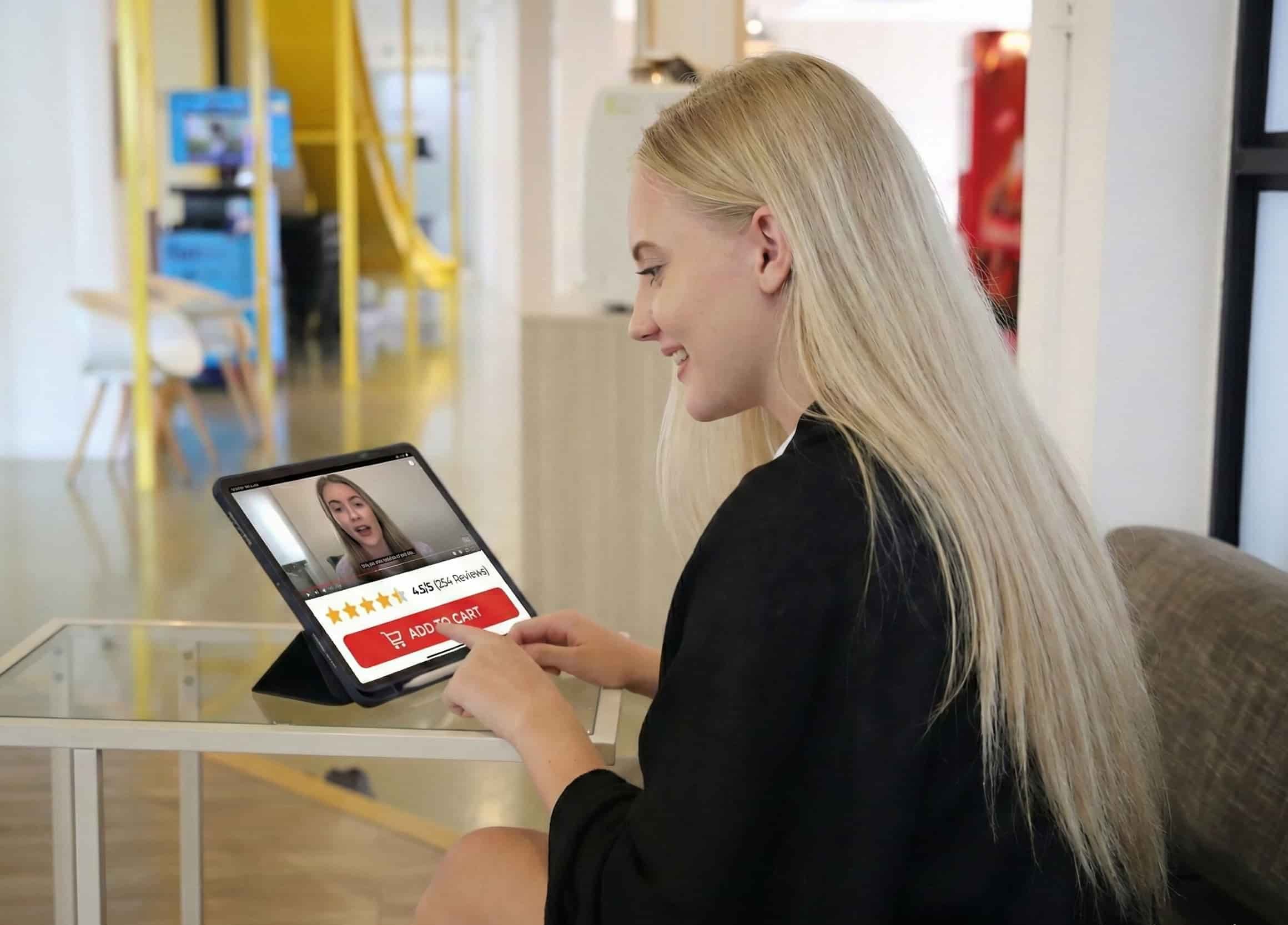
The decision-making process for a first-time buyer can often feel overwhelming. With so many choices available, potential customers are bombarded with product descriptions, images, and marketing messages. Despite all the information provided, the final decision is often influenced by something deeper than just specs or features. It’s real customer stories that make the difference.
Even though the product descriptions might look perfect on paper, the emotional connection customers feel from hearing someone else’s experience often sways their decision. Customer stories have the ability to humanize the brand and provide insights beyond what any advertisement can offer.
Customer testimonials, especially in video or audio formats, hold immense value for first-time buyers. These stories help break down the uncertainty many buyers face when they have no prior experience with the product or brand. Real-life experiences create a sense of authenticity and provide reassurance that the product will live up to the promises made in marketing. A video testimonial can showcase real emotions and build trust in a way that text-based reviews or product descriptions simply cannot.
So, what makes a first-time buyer decide to trust your brand and make that purchase? Is it the promises made in your marketing or the experiences shared by others like them? The answer lies in the power of authentic customer stories.
These testimonials provide real-world experiences from genuine customers, making the product feel more credible and authentic.Video testimonials, in particular, allow potential buyers to see and hear real emotions, trusting faces, and genuine expressions, which help reinforce the product’s value.
As social creatures, people are naturally influenced by the experiences of others, especially when making decisions about products they are unfamiliar with. Social proof is a psychological phenomenon where individuals look to the behavior of others as a guide for their own actions. This is particularly powerful when making first-time purchases.
Social proof can take many forms:
When first-time buyers see that others like them have had positive experiences, they are more likely to feel validated in their decision. For example:
One of the most powerful ways to influence a buyer’s decision is by establishing an emotional connection. Real customer stories whether shared through text, video, or audio, play a key role in achieving this. Unlike the cold, factual nature of statistics or the promotional tone of generic ads, personal stories connect with buyers on a deeper, human level.
Personal experiences resonate with potential buyers because they show how a product or service has made a tangible difference in someone’s life. Stories that share real-life applications of how a product solves problems or improves everyday life are far more compelling than ads that promise benefits without context. For example, a video testimonial where a customer shares their struggles, how they discovered the product, and how it changed their life is more memorable and impactful than any scripted ad.
This authenticity is a major reason why real customer stories are so effective. Buyers are more likely to trust experiences that feel genuine and relatable, compared to marketing messages that may seem over-polished or exaggerated. Video and audio testimonials in particular allow buyers to hear and see the emotions behind the story, helping them form an even stronger bond with the product and the brand.
Trust is often the biggest barrier preventing first-time buyers from making a purchase. While most customers may be familiar with the brand or the product through marketing, they have no personal experience to draw upon. This is where video testimonials can significantly bridge the gap.
Video testimonials are incredibly effective at building trust because they feature real people, not actors or paid endorsers. Potential buyers can see and hear genuine emotions and authentic experiences from those who have used the product. The personal connection created through seeing real faces and hearing real stories of success makes the buyer feel more secure in their purchase.
For example, a video testimonial from a mother talking about how a particular baby product made her life easier helps other first-time buyers—especially mothers—feel confident in making the purchase. When a buyer sees someone like themselves, facing similar challenges, they feel reassured that the product will work for them too. This relatability is a powerful tool for building trust and reducing uncertainty.
Moreover, real customer stories address concerns or doubts potential buyers may have by showing how the product has helped others overcome challenges. This not only builds trust but also encourages buyers to take action with confidence, knowing they are making an informed decision.
A fitness company offering a weight-loss program may face hesitation from a first-time buyer who is skeptical about whether the program will actually work for them. Despite reading glowing reviews, they may still doubt whether it will live up to the promises. The customer, perhaps someone who has tried and failed at various weight-loss methods in the past, feels apprehensive about taking the leap.
Now, imagine that the fitness company shares a video testimonial from a real customer who was in the exact same position. In the video, the customer shares their story of struggle: how they had tried multiple programs without success, felt discouraged, and then found this program. They explain how the program helped them lose weight and, more importantly, gain confidence. The testimonial goes beyond simple facts it conveys the emotional journey of overcoming struggles and achieving success.
This personal story provides the hesitant buyer with a relatable experience. The first-time buyer can now see someone who faced similar obstacles and succeeded. It makes them feel like this program could work for them, too. The story has not just addressed the product’s benefits but has also built trust by sharing a real person’s honest emotions and success.
This type of real story not only convinces the hesitant shopper to make the purchase but also fosters brand loyalty. They don’t just see the brand as a faceless entity; they now see it as a solution that helped someone like them. As a result, they are more likely to return for future purchases and recommend the program to others, creating long-term loyalty.
Video testimonials offer a level of persuasiveness and credibility that traditional text reviews simply cannot match. They provide much more than just words; they offer a multi-sensory experience that helps potential buyers connect emotionally and build trust.
Together, these elements facial expressions, tone of voice, and body language combine to create a compelling, emotionally engaging testimonial. They allow potential buyers to see and feel the experience firsthand, making it much easier to trust the message.
While video testimonials are incredibly powerful, audio testimonials also offer unique advantages, particularly for customers who may not have the time or inclination to watch a video.
One of the most significant advantages of both video and audio testimonials is that they are perceived as much harder to manipulate compared to written reviews. This is particularly important when it comes to first-time buyers, who are often the most skeptical and cautious.
One of the most important aspects of collecting impactful customer stories is ensuring that the feedback is genuine and authentic. Authenticity resonates more with potential buyers and makes the testimonials more believable and trustworthy.
Ask for Both Emotional and Practical Aspects: Encourage customers to share not just what the product or service did, but also how it made them feel. Ask questions like:
By prompting customers to share both practical and emotional aspects, you create a fuller, more compelling story that engages potential buyers. For example, a customer might explain how they initially thought the product was too expensive but then share how it changed their life or improved their business, reinforcing its true value. This kind of personal journey offers more than just functional benefits it creates a relatable narrative.
While encouraging authenticity is crucial, incentivizing reviews can motivate customers to take the time to share their experiences. Offering rewards makes it more likely that satisfied customers will go the extra mile to create a video or audio testimonial.
Here are some effective ways businesses can incentivize customers:
Remember, the key is to ensure that the incentive feels like a reward for valuable feedback, rather than something that influences the content of the review itself. Customers should feel appreciated for their genuine stories, not pressured to leave a specific type of review.
To collect honest and impactful testimonials, it’s important to make the process as easy and comfortable as possible for customers. Here are some tips on how businesses can encourage customers to share their stories without feeling uncomfortable or pressured:
One of the most effective ways to leverage customer stories is by placing them in strategic locations on your website and marketing funnels. The placement of video and audio testimonials plays a critical role in guiding first-time buyers from initial interest to final purchase.
Customer stories aren’t just for websites they can also be incredibly impactful when included in email campaigns and social media ads. Here’s how businesses can use video and audio testimonials to boost engagement and conversions:
One of the most compelling examples of the power of customer stories in marketing comes from a beauty salon that integrated TrueTestify’s platform to showcase real customer testimonials. This salon had been struggling with converting first-time clients, as many were hesitant about the quality of their services despite positive reviews.
By incorporating video testimonials from real customers who shared their personal experiences of how the salon transformed their look and boosted their confidence, the business saw a significant increase in engagement on both their website and social media channels.
This case study highlights how TrueTestify’s video testimonials can be effectively integrated into various marketing strategies to build credibility, engage first-time buyers, and ultimately boost conversions.
For first-time buyers, the process of making a purchase is often filled with fear i-e fear of making the wrong decision, fear of wasting money, and fear of being disappointed with the product. They might have doubts about the quality of the product, its effectiveness, or the level of customer service they will receive after making the purchase. These concerns can cause hesitation and prevent buyers from committing, even if the product has received positive feedback.
Customer stories can play a crucial role in addressing these common concerns. When potential buyers see real customers sharing their positive experiences, it helps alleviate many of their fears. For example, a video testimonial where a customer discusses how the product worked exactly as described can directly address concerns about product quality. Similarly, a customer story that talks about exceptional customer service can reassure hesitant buyers that they’ll receive support if needed.
By showcasing stories that specifically touch on the concerns first-time buyers may have, businesses can answer questions without needing to rely solely on marketing promises. These stories add a layer of authenticity that written descriptions or ads simply can’t offer. They show how real people encountered similar doubts and how the product met or exceeded their expectations, providing proof of effectiveness and value.
One of the most powerful ways customer stories help first-time buyers overcome hesitation is by reducing perceived risk. New buyers are often unsure of how well a product will meet their specific needs, especially if they’ve had negative experiences in the past. They worry that they might be throwing their money away on something that won’t live up to their expectations.
Real customer stories can reduce this perceived risk by showing buyers that others with similar needs and doubts have already made the purchase and benefited from it. For instance, hearing a testimonial from a customer who had similar concerns whether about product quality, ease of use, or satisfaction can boost the new buyer’s confidence in their decision.
When a customer sees how others like them faced similar doubts but found success, it helps them feel more secure in their choice. A personal story where a customer shares their initial skepticism but later describes the positive impact of the product is incredibly effective at overcoming the fear of making the wrong purchase. It not only reassures them about the quality and effectiveness of the product, but it also makes them feel confident in their own decision-making process.
In summary, real customer stories, particularly those shared through video and audio testimonials, are powerful tools for influencing first-time buyers. These stories provide authenticity, emotional connection, and relatability that written reviews or marketing messages simply can’t match. By showcasing genuine experiences, businesses can help overcome hesitation and address common concerns, making potential customers feel more confident and secure in their decision to purchase.
The emotional bond created through these stories not only builds trust but also reduces perceived risk, which is critical for first-time buyers who are unfamiliar with the brand. When customers see and hear from real people who have faced similar doubts, they are more likely to move forward with a purchase.
If you’re ready to enhance your marketing strategy, TrueTestify’s platform can help you integrate these impactful customer stories into your business. By sharing authentic video and audio testimonials, you can build trust, convert hesitant buyers, and boost confidence in first-time buyers, ultimately driving more sales and fostering long-term customer loyalty. Explore how TrueTestify can elevate your brand today!